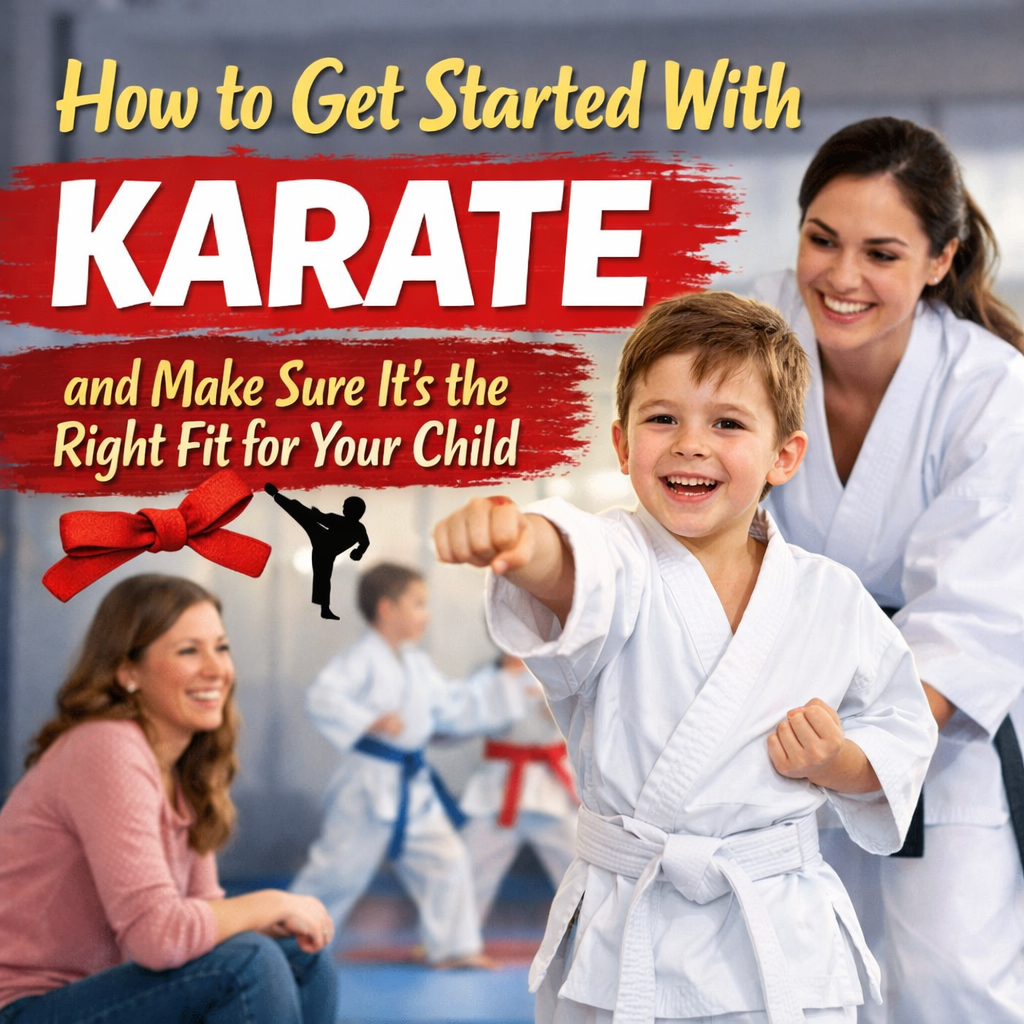
How to Get Started With Karate and Make Sure It’s the Right Fit for Your Child
How to Get Started With Karate and Make Sure It’s the Right Fit for Your Child
For parents in Hale, Altrincham, Sale & surrounding areas
If you’re reading this, you’re probably not looking for “another activity”.
You’re looking for something that genuinely helps your child grow confidence, focus, resilience, better listening, calmer behaviour in a place that feels safe, organised, and professionally run.
This guide will make the next step simple.
⏱️ 6–7 minute read
Content:
The most common worries parents have (and why they’re valid)
The simple truth: confidence isn’t taught by talking, it’s built by doing
What “getting started” should feel like (if it’s done properly)
What makes our approach work for the families we serve
Quick answers to common questions
The logical next step
The most common worries parents have (and why they’re valid)
Before we talk about starting, here are the worries we hear every week, especially from mums:
“My child is shy… what if they don’t join in?”
Shy children don’t need forcing. They need structure, routine, clear instruction, and small wins they can stack.
“They struggle with focus… what if they mess about?”
Children who struggle with focus usually do best with clear routines, consistent expectations, and instructors who can lead calmly without escalating. They need to be taught how to channel that energy in the right way to help them develop core skills.
“Is karate aggressive?”
Good karate isn’t aggressive, it’s self-control, respect, discipline, and boundaries. We take the ancient art of Karate with modern teaching practices to help ensure your child gets the most benefit.
“What if we start and it becomes another thing we quit?”
This is why the start matters. Most drop-offs happen when children feel lost, unsure, or like they’re not progressing. A strong beginner pathway with clear progression, support and goal setting fixes that.
If any of those are you: you’re in the right place.
The simple truth: confidence isn’t taught by talking, it’s built by doing
Confidence comes from:
Trying something slightly uncomfortable
Being coached through it
Improving week by week
Feeling proud of earned progress
That’s the heart of our approach: disciplined kindness.
Warm, supportive, encouraging, but with clear boundaries and standards that help children grow.
What “getting started” should feel like (if it’s done properly)
The ideal start should leave you feeling:
reassured (“my child will be looked after”)
clear (“I know exactly what happens next”)
confident (“this is structured and professional”)
And your child should leave feeling:
“I can do this.”
“I know what to do.”
“I want to come back.”
That’s why we don’t rush parents into big commitments without making sure it’s a great fit.
Step 1: Choose the right programme for your child
We run separate pathways so children aren’t thrown into the wrong environment and their individual needs are best catered for.
Junior programme (under 12s)
Adapted to help young ones build:
confidence and social comfort
listening skills and focus
behaviour through structure
resilience and perseverance
Senior programme (12+ including families & adults)
Adapted to help teens and young adults build:
confidence and self-belief
discipline and fitness
meaningful progression and goals
a supportive community environment
If you’re unsure which is best, we’ll guide you. Most parents simply tell us their child’s age and what they’d love help with.
Step 2: Book a discovery session (this is the “fit check”)
A discovery session is the best next step if you’re thinking:
“I need to see this in person.”
“Will my child fit in?”
“Will they be safe?”
“Will instructors handle them well?”
“Is this the right environment?”
What happens in a discovery session
You’ll see:
how we structure the class
how instructors speak to children (calm, firm, encouraging)
how we manage focus and behaviour
how we help shy children settle in
how progression works (so children don’t feel lost)
It’s relaxed, supportive, and designed to give you an insight into how it all works.
Step 3: Decide your next step with confidence
After you’ve seen the class environment, it becomes easy to decide:
If your child feels comfortable and you feel reassured → you’ll know it’s the right move.
If it’s not the right fit → you’ll know that too (and we’d rather you decide that early than force it).
This is how you avoid wasted money, wasted time, and another false start.
What makes our approach work for the families we serve
Families who stay long-term tend to value:
standards (not chaos)
structure (not random sessions)
progression (clear goals)
calm leadership (not shouting)
kindness with boundaries (not “anything goes”)
If you’re a parent who wants your child to build the skills that matter for school, friendships, and later life, this is exactly what we do.
Quick answers to common questions
“What if we can’t attend every session?”
Consistency matters, but life happens. The key is having a clear plan and supportive instructors so your child can get back into rhythm quickly. We have a variety of classes throughout the week for you to help fit around your busy schedule.
“What if my child is slower than others?”
Children progress at different speeds. We coach effort, build skills step-by-step, and make sure children feel capable — not compared. We take an individualised approach to training and never provide feedback on comparison of others.
“Will my child be pushed too hard?”
They will be gently challenged, not pressured or embarrassed. We want children to stretch their comfort zone and feel proud, with support. It’s important they understand how to make mistakes and bounce back from them, creating resilience for them to try new things and succeed in other areas of life.
“Is it safe?”
Safety and respectful behaviour are non-negotiable. We enforce standards because a safe environment is what allows children to grow.
The logical next step
If you’ve read this and thought, “Yes, this is what my child needs,” don’t overthink it.
The next step is simply to:
choose Junior or Senior programme
book a discovery session
see the environment and decide from a place of certainty
Explore the right starting point:
From there, you’ll be guided naturally to our 12-week beginner programme that gives your child the best start and introduction to Karate.
